The Coptic Stitch: A Beginner's Path to Lay-Flat Journals
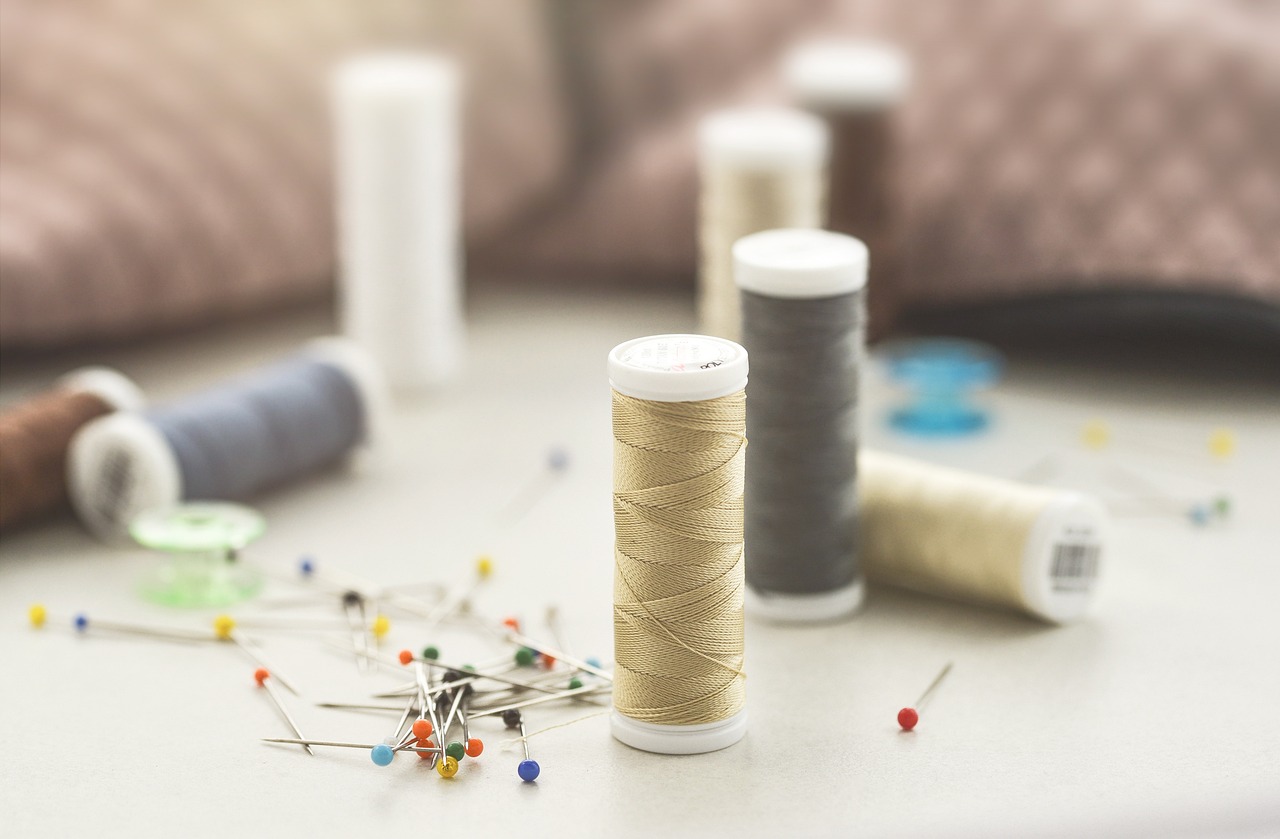
Of all the historical book structures a beginner can learn, the Coptic stitch offers the most immediate reward. It produces a book that opens completely flat, shows off its own sewing as a design feature, and requires no glue at the spine. Once you have sewn one, you will understand why binders have been using variations of this structure for nearly two thousand years.
The Coptic binding originated in Egypt around the fourth century. Unlike later Western bindings, where pages are glued or sewn into a spine that is then covered, Coptic books are held together by the sewing itself, with the thread looping from one section to the next and around the cover boards. The result is a chain-link spine that is both strong and beautiful.
To start, you will need sections of paper folded into signatures, two cover boards, a curved needle, strong waxed linen thread, an awl, and a piercing cradle or a stack of scrap paper to protect your table. A bone folder helps crease the signatures cleanly.
Preparing Your Signatures and Covers
Fold your paper into groups of four to six sheets. More than six and the fold becomes difficult to pierce cleanly; fewer than four and the book grows unwieldy with too many sewing stations. Press the folded signatures under weight for an hour or overnight so they lie flat.
Next, create a sewing template. A common setup is five or six holes per signature, evenly spaced, with the outermost holes set in from the head and tail by about a centimeter. Mark the template on a strip of card and use it to pierce every signature identically. Consistency here is what makes the finished spine look even.
For the covers, you can use binder's board wrapped in leather or decorative paper, or a single piece of stiff leather, depending on how you want the finished book to feel. Pierce the cover holes to match your signature template, adding one extra hole near the spine edge for the chain stitch.
Sewing the Chain
Begin with the first signature and the front cover. Bring your needle up through the inside of the signature, out through the first hole, and then through the corresponding hole in the cover. Loop back into the signature and continue to the next station. When you reach the end of the signature, link to the next one by passing the needle through the loop formed between the previous two signatures. This interlocking loop is the chain that gives the Coptic stitch its name and its strength.
Keep your tension even but not tight. If you pull too hard, the signatures will gape; too loose and the spine will feel floppy. Aim for the thread to sit snugly against the paper without denting it.
When you finish the last signature, tie off the thread inside the book block and trim the tail. The book is complete the moment the last knot is tied, which is one of the quiet pleasures of this structure. No pressing, no drying, no waiting. You can write in it the same afternoon.