From Hide to Cover: A Guide to Leather Grain and Finish
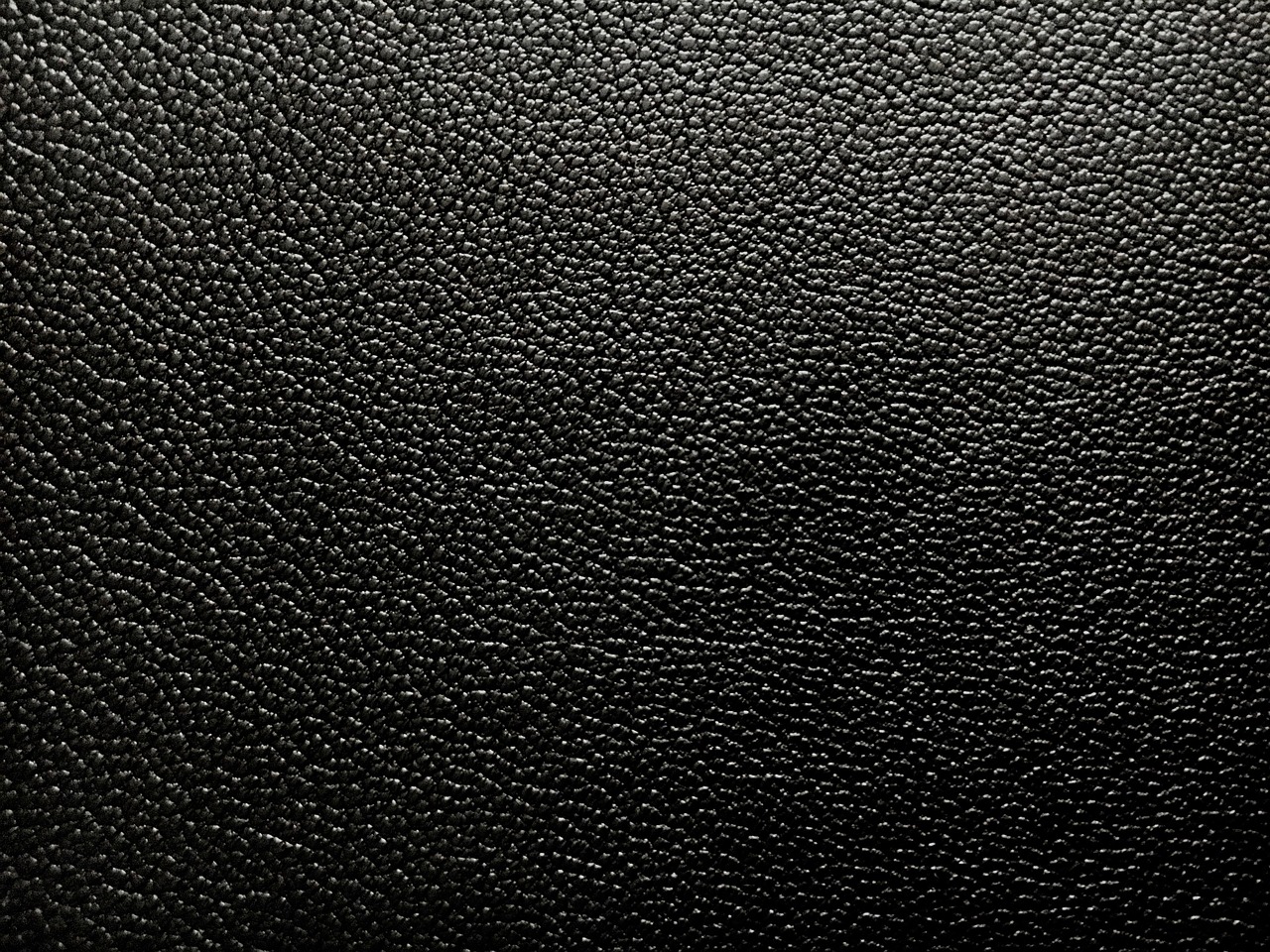
When you run your fingers across a finished journal cover, you are touching the end result of a long journey. That leather started as a hide, passed through a tannery, and was cut, pared, and folded by hand. The grain and finish you feel are not accidents. They are choices made at the tannery, and understanding them will change how you shop for leather and how you approach your next binding project.
The Three Grains You Will Actually Encounter
Full grain leather keeps the outermost layer of the hide intact. That surface holds the animal's natural markings: scars, insect bites, stretch marks, and the subtle variations in follicle pattern that vary across the body. Nothing has been sanded away. This is the leather that develops a patina over years of handling, darkening where your hands rest and softening at the spine. It is also the most expensive and the least forgiving, because every flaw is visible and permanent.
Top grain leather has had that outermost layer sanded or split away. What remains is still strong and durable, but it has lost the natural surface. Tanners often emboss a grain pattern onto top grain to imitate the look of full grain. It takes dye evenly and cuts cleanly, which makes it a reasonable choice for a first binding where you want predictable results. It will not patina the same way, but it will hold up to daily use.
Bonded leather is not really leather in the structural sense. It is leather fibers mixed with a binder and rolled into sheets. It can look convincing from a distance, but it delaminates at the edges, and it will not survive the stress of a stitched spine. For hand binding, bonded leather is a dead end.
Finishes and What They Mean for Your Hands
Aniline and semi-aniline finishes use transparent dyes that let the natural grain show through. Aniline leather has no protective topcoat, so it absorbs oils from your hands and develops a deep, uneven richness. Semi-aniline adds a thin protective layer that resists staining while still showing grain. Both are lovely for journals that will be handled often, though aniline will show water spots if you are careless with your morning coffee.
Pigmented finishes sit on top of the leather like paint. They are opaque, uniform, and highly resistant to fading and staining. If you want a deep, consistent color across a large cover, pigmented leather is the practical choice. The tradeoff is that it feels more like vinyl than hide, and it will not develop character the way an aniline or full grain cover will.
For a journal that will live on a desk and be opened daily, I lean toward a semi-aniline full grain in the 2 to 3 ounce range. It is thin enough to fold cleanly around a signature stack, sturdy enough to protect the text block, and it will look better after a year than it did on the day you finished it. That is the whole point of binding by hand.