Choosing Thread: Linen, Cotton, and the Case for Wax
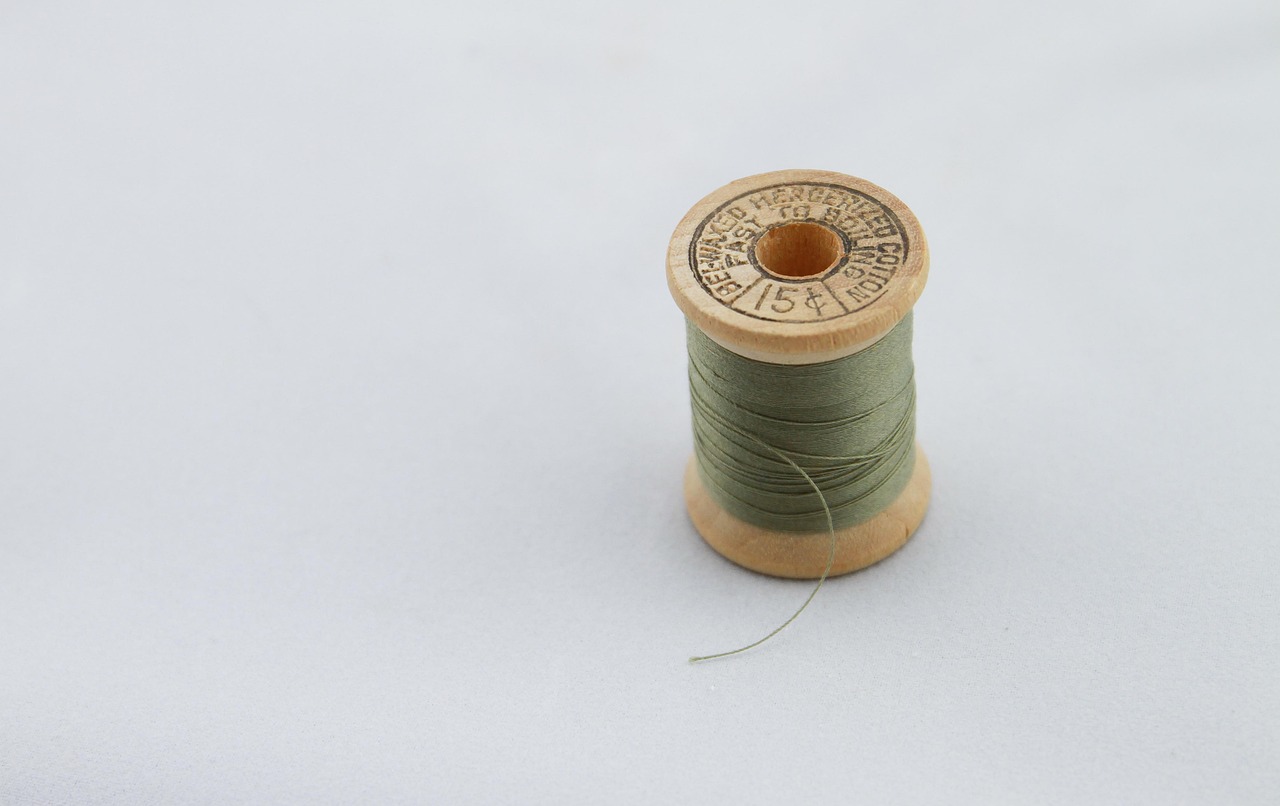
Thread is the quiet workhorse of bookbinding. It rarely gets the attention that leather or paper receives, but it determines whether your signatures hold together under the stress of daily opening. A book sewn with the wrong thread will fail at the spine, no matter how beautiful the cover. A book sewn with the right thread will open smoothly for decades.
Linen Versus Cotton
Linen thread is the traditional choice, and for good reason. Linen fibers are long, strong, and resistant to stretching. They hold a knot well and do not fray easily. Waxed linen thread slides through paper without tearing, and it grips the spine folds enough to keep tension consistent. The main drawback is cost. Good linen thread is not cheap, but a spool goes a long way. A single spool of 18/3 linen will sew several journals.
Cotton thread is softer and less expensive. It is easier on the hands, especially during long sewing sessions. But cotton stretches over time, and it is more susceptible to rot and mildew in humid conditions. For a practice book or a journal that will live on a shelf, cotton is fine. For a book that will be carried in a bag and opened daily, linen is the better investment.
There is also a middle ground: cotton-wrapped polyester. It feels like cotton in the hand but has the strength and stability of synthetic fiber. Some binders swear by it for beginners because it is forgiving and inexpensive. I keep a spool on hand for test bindings and for teaching workshops.
The Case for Wax
Wax serves two purposes. First, it lubricates the thread so it passes through the paper without catching or tearing. Second, it adds grip, which helps the thread hold its position when you pull it tight. Without wax, linen thread can abrade the paper at the stations, especially if you are sewing a tight spine.
You can buy pre-waxed thread, or you can wax your own with a block of beeswax. I prefer to wax my own because I can control how much wax goes on. Too much wax makes the thread stiff and difficult to knot. Too little and the thread frays. A light pass over a beeswax block is usually enough.
Thread size matters too. A 18/3 thread is a good all-purpose size for journals with four to six signatures. For thinner books, a 25/3 is less bulky. For large books with many signatures, a heavier thread like 12/3 will hold up better. The goal is to match the thread to the weight of the text block. Too thin and the thread will cut into the paper. Too thick and the spine will bulge.
When you find a thread you like, buy a few spools. Thread batches vary, and running out mid-project is frustrating. A small stash of linen in two or three sizes will cover almost every journal you will want to make.