Choosing the Right Leather for Your First Hand-Bound Journal
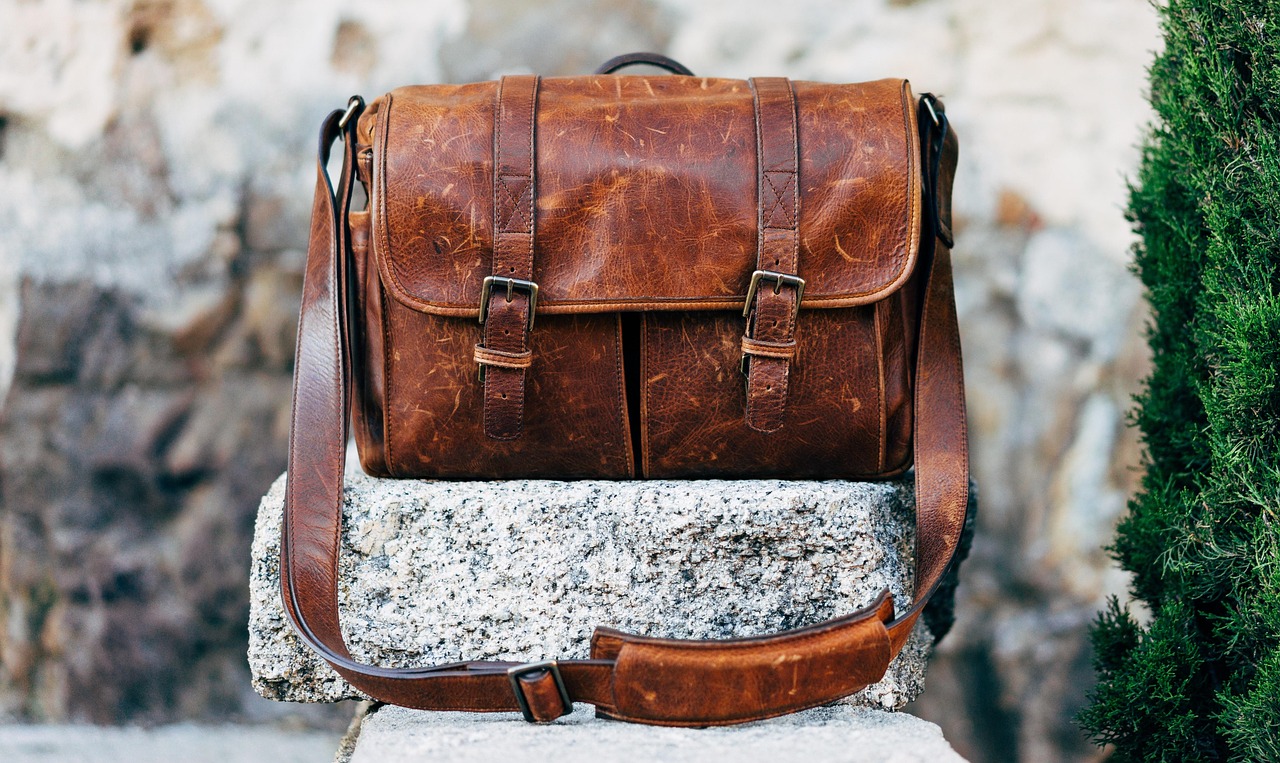
Walk into any leather supplier and you will be met with a wall of hides that all look vaguely similar and behave completely differently once you start cutting. For a hand-bound journal, the leather you choose affects everything: how the cover ages, how easily it takes a fold, how it responds to paste, and whether your corners stay sharp or curl after a month of use. Understanding a few basics before you buy will save you money and frustration.
The single most important distinction is the tanning method. Vegetable-tanned leather is processed with plant-derived tannins, usually from tree bark. It is firmer, takes tooling and dye beautifully, and develops a rich patina over years of handling. It is also the traditional choice for bookbinding because it accepts paste and glue predictably and does not react badly with the materials inside a book block. The trade-off is that it can be stiff, especially on thicker hides, and it is more expensive.
Chrome-tanned leather is softer, more uniform, and cheaper. It is what most garment and upholstery leather comes from. It feels lovely in the hand, but it can be problematic for journals: some chrome-tanned hides react with certain adhesives, and the finish can peel or crack along a spine that flexes repeatedly. If you want to use it, look for a firm temper and avoid anything with a heavy plastic topcoat.
Oil-tanned and combination-tanned hides sit somewhere in the middle. They are supple, water-resistant, and forgiving to work with, though they often will not take foil or blind tooling as crisply as vegetable-tanned leather.
Weight, Temper, and Grain
Beyond tanning, pay attention to weight and temper. Leather is measured in ounces, and for journal covers most binders reach for something in the 2 to 4 ounce range for a flexible cover, or 4 to 6 ounce for a stiff, board-backed cover. Temper describes how the leather feels when you bend it: firm leather holds a shape, soft leather drapes. For a book that will be opened and closed thousands of times, a medium temper is usually the sweet spot.
Grain matters too. Full-grain leather keeps the original surface of the hide, including scars and growth marks, and ages most beautifully. Top-grain is sanded and refinished for uniformity. Bonded leather is scraps glued together and should be avoided entirely for anything you want to last.
Practical Buying Advice
Buy a small piece before committing to a whole side. Ask your supplier for an offcut or a sample square in the weight and temper you are considering. Cut it, fold it, paste a scrap of paper to it, and leave it under a weight overnight. This five-minute test tells you more than any product description.
If you are binding your first journal, a vegetable-tanned calf or goat skin in the 2 to 3 ounce range is hard to beat. It is forgiving, traditional, and will reward you with a cover that looks better every year you carry it.